%2Ffit-in%2F250x250%2Fguide_websites%2F571%2Fimages%2Fscreenshot2024-01-31at3.31.36pm.png&w=1200&q=100)
/users/5d729193-6522-4462-943a-d502a7ead174/ratecard/20231223_035419.jpg)
%2F300x300%2Fusers%2F5d729193-6522-4462-943a-d502a7ead174%2Fratecard%2F20231223_035419.jpg&w=256&q=75)
%2Ffilters%3Aformat(webp)%2F300x300%2F72f7a9a5-a7f1-4ba1-a934-e58a1be34f8e%2Freport%2Fsocial%2Fimages%2Freport%2Fmatagorda-speckled-trout-processing-facility-4455.png&w=256&q=75)
%2Ffilters%3Aformat(webp)%2F300x300%2F72f7a9a5-a7f1-4ba1-a934-e58a1be34f8e%2Freport%2Fsocial%2Fimages%2Freport%2Fmatagorda-redfish-speckled-trout-catch-9978.png&w=256&q=75)
%2Ffilters%3Aformat(webp)%2F300x300%2F72f7a9a5-a7f1-4ba1-a934-e58a1be34f8e%2Freport%2Fsocial%2Fimages%2Freport%2Fmatagorda-redfish-speckled-trout-catch-8407.png&w=256&q=75)
%2Ffilters%3Aformat(webp)%2F300x300%2F72f7a9a5-a7f1-4ba1-a934-e58a1be34f8e%2Freport%2Fsocial%2Fimages%2Freport%2Fmatagorda-redfish-cleaning-station-catch-5129.png&w=256&q=75)
%2Ffilters%3Aformat(webp)%2F300x300%2F72f7a9a5-a7f1-4ba1-a934-e58a1be34f8e%2Freport%2Fsocial%2Fimages%2Freport%2Fmatagorda-mixed-species-fishing-catch-8201.png&w=256&q=75)
%2Ffilters%3Aformat(webp)%2F300x300%2F2c5eeb52-a7f2-40f5-b414-b1103d1d820c%2Freport%2Fsocial%2Fimages%2Freport%2Fflatfish-catch-matagorda-dock-fishing-10546.png&w=256&q=75)
Nighttime Gigging Adventure in Matagorda Bay
 Matagorda
What you will be catching:
 Black Drum
 Sheepshead
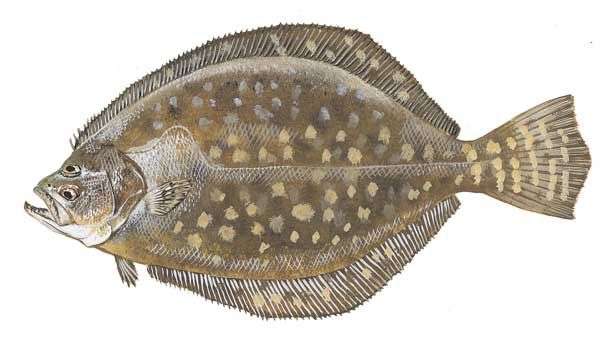
 Southern Flounder
- Join Captain Joe Guerra for a 5-hour night gigging adventure on Matagorda Bay's shallow flats and back lakes. Using bright LED lights, you'll spot and gig flounder, black drum, and sheepshead as they move through the clear water below. This is hands-on fishing at its best
- part hunting, part fishing, all action. We run two boats to spread out the group and cover more water. The night fishing creates a completely different experience than daytime trips, and you'll see marine life you'd never spot during the day. Available year-round except November for flounder. Weekday trips Monday through Thursday by appointment only. Maximum 6 guests total.
Trip Pricing and Availabilities:
Night Gigging Adventure in Matagorda Bay
Picture this: you're standing on the bow of a shallow-draft boat, gig in hand, scanning the crystal-clear water under powerful LED lights. The night is calm, Matagorda Bay stretches out around you, and suddenly there's movement below – a perfect flounder sitting motionless on the sandy bottom. That's what makes night gigging with Captain Joe Guerra and Bay Finatic such a rush. This isn't your typical fishing trip. We're talking about a primal hunting experience that gets your adrenaline pumping like nothing else on the water.
What to Expect on the Water
Captain Joe runs a top-rated 5-hour night gigging operation that takes you into the heart of Matagorda's shallow flats and back lakes. You'll have two boats working together, which means more water covered and better chances for everyone in your group of up to 6 people. The LED lighting systems we use aren't your basic spotlights – these are professional-grade arrays that turn the underwater world into an aquarium. You'll see everything down there: crabs scuttling across the bottom, baitfish schooling in the lights, and your target species trying to blend into their surroundings. The boats are set up specifically for this kind of work, with stable platforms and the right height for comfortable gigging. Don't worry if you've never done this before – Joe and his team will show you the ropes and help you land your first fish. Most folks get the hang of it pretty quick, and once you stick your first flounder, you'll be hooked on this style of fishing.
Gigging Gear & Technique
We provide all the gigging equipment you'll need, including various gig heads for different situations and fish sizes. The gigs themselves are basically multi-pronged spears on long handles – think Neptune's trident but designed for Texas flats. The trick is learning to account for light refraction in the water, which makes fish appear in slightly different positions than they actually are. Captain Joe will teach you the fundamentals: how to approach your target without spooking it, the right angle for a clean stick, and how to secure your catch once you've made contact. The LED lighting creates an almost surreal environment where you can spot fish from surprising distances. We'll work the grass flats where flounder like to ambush prey, sandy pockets where black drum root around for crabs, and structure areas where sheepshead hang out. Each species requires a slightly different approach, and part of the fun is learning to read the water and predict where fish will be holding. The shallow draft boats let us get into water that's sometimes only knee-deep, putting you right on top of the action.
Top Catches This Season
Southern flounder are the bread and butter of night gigging in Matagorda Bay. These masters of camouflage can change their coloration to match the bottom perfectly, but under our bright lights, their outline gives them away. Flounder are available year-round except November when they're spawning offshore, and the best fish typically run 2-4 pounds with occasional doormat specimens pushing 6-7 pounds. They're ambush predators that bury themselves in sand with just their eyes exposed, waiting for unsuspecting baitfish to swim by. What makes them so exciting to gig is that split-second when you spot one – they look like just another part of the bottom until your brain processes that perfect fish outline.
Black drum bring a completely different challenge to the gigging game. These copper-colored bruisers are usually on the move, rooting through shallow mud and sand flats searching for crabs and worms. They can be surprisingly spooky, so stealth becomes more important than with flounder. Black drum in Matagorda commonly run 5-15 pounds, with some real toad specimens exceeding 20 pounds. They're incredibly strong fish, so once you stick one, be ready for a fight even with the gig in them. The best part about black drum is they're excellent table fare when prepared right – firm, white meat that's perfect for the grill or fryer.
Sheepshead round out our target trio and they're probably the wariest of the bunch. These convict-striped fish have incredible eyesight and will bolt at the first sign of danger. You'll typically find them around any kind of structure – old pier pilings, rock piles, or oyster reefs that extend into shallow water. Sheepshead have human-like teeth designed for crushing shellfish, and they're considered by many to be the best eating fish in the bay. They're not as common as flounder or drum, but when you do connect with a good sheepshead, it's always a memorable moment. The key with these fish is patience and precision – you usually only get one shot before they disappear into the structure.
Time to Book Your Spot
Night gigging with Bay Finatic isn't just fishing – it's hunting with a gig under the stars. Captain Joe Guerra has been perfecting this operation for years, and his knowledge of Matagorda Bay's flats and back lakes is second to none. The two-boat setup means your group gets maximum coverage and the best possible shot at a successful trip. Whether you're a seasoned angler looking for something different or a complete beginner wanting to try one of the Gulf Coast's most unique fishing experiences, this 5-hour adventure delivers. Keep in mind that weekday trips Monday through Thursday are by appointment only, so plan ahead. The night gigging season runs almost year-round, making this a world-class option whether you're visiting in the heat of summer or the cooler months. Ready to see what's swimming around under Matagorda Bay after dark? Give Bay Finatic a call and get your group signed up for an adventure you'll be talking about for years.
Learn more about the animals
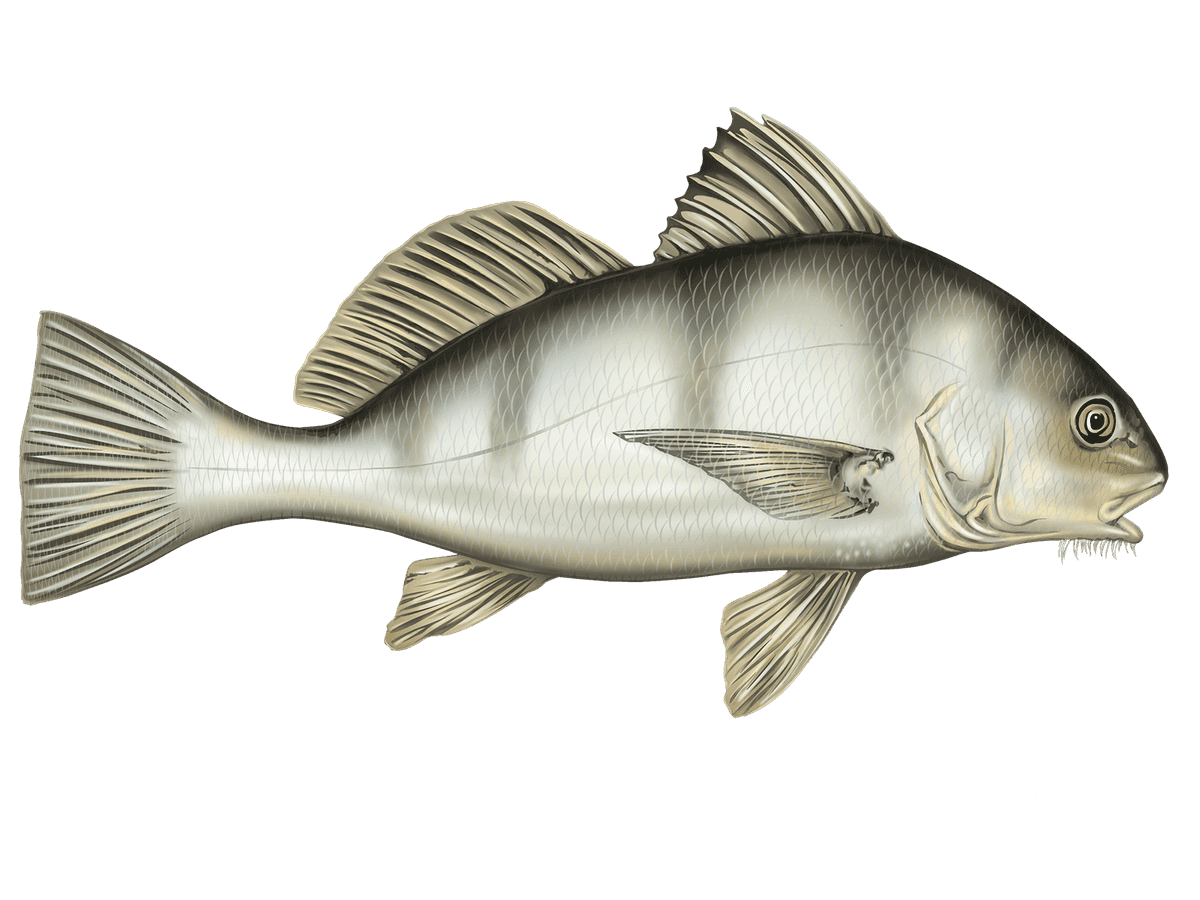
Black Drum
Black drum are the bulldozers of Matagorda Bay, with powerful jaws built for crushing oysters and crabs on muddy flats and shell beds. These chunky fish typically run 5-30 pounds, but we see monsters pushing 50+ pounds during spring spawning runs. They're called drums for the croaking sounds they make - you can actually hear schools of them underwater. The smaller ones under 15 pounds are prime table fare with firm, white meat. Bigger fish fight like trucks but get tough and stringy. Spring gives us the best action when they school up in shallow water, especially around oyster reefs and creek mouths. During our night trips, watch for their dark shapes cruising the flats. Pro tip: fresh crab bait works best since catfish won't steal it, and always fish right on the bottom where they feed.
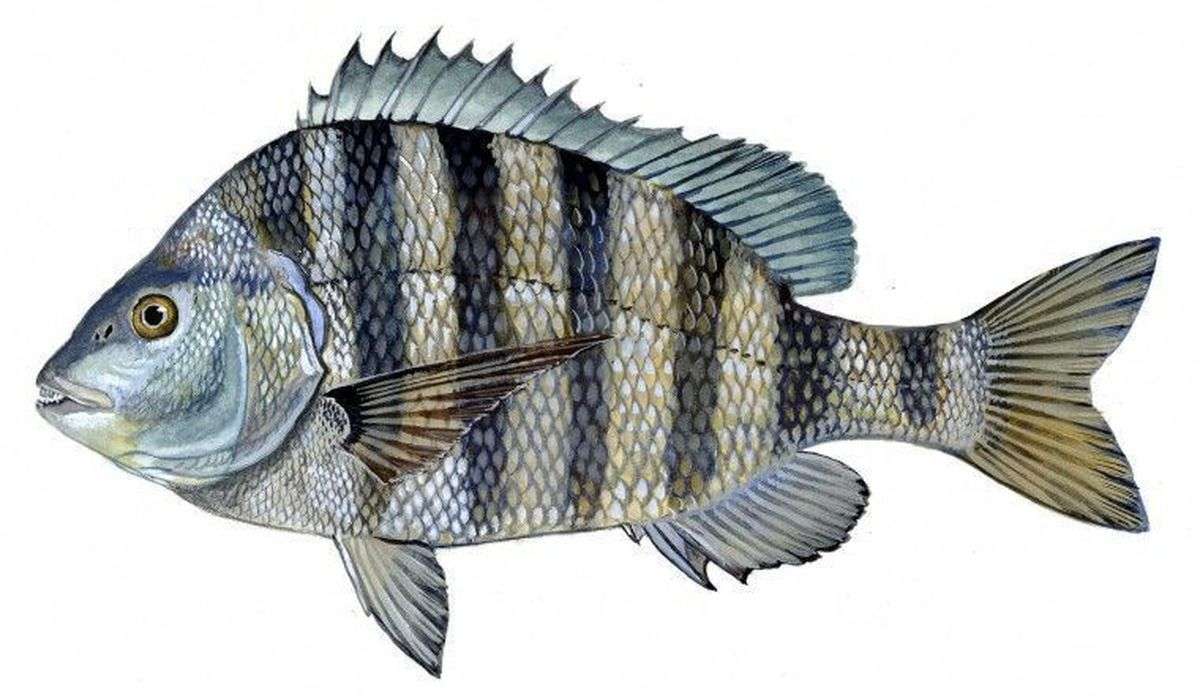
Sheepshead
Sheepshead are the pickpockets of the bay with their human-like teeth and sneaky feeding habits around any structure they can find. These silver and black striped fish usually run 1-8 pounds and 14-20 inches, but trophy fish over 15 pounds show up around deep pilings and bridges. They're some of the best eating fish we target - sweet, white meat that's worth the effort to clean those tough scales. Year-round fishing is good, but spring brings the biggest concentrations as they move to spawn around jetties and passes. You'll find them glued to dock pilings, bridge supports, and oil rigs where they pick barnacles and crabs. They're notorious bait thieves, so watch your rod tip closely. The trick is using small hooks with fresh shrimp or fiddler crabs, and set the hook hard the second you feel weight.
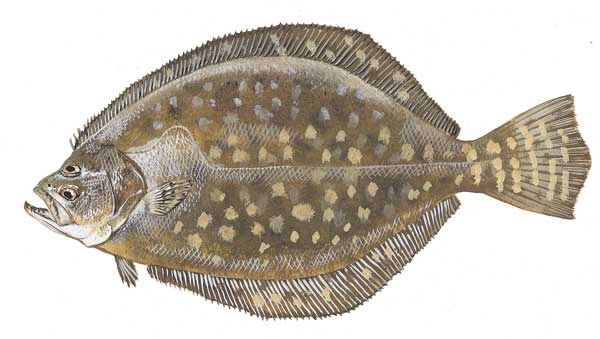
Southern Flounder
These flat, oval-shaped fish are masters of disguise, burying themselves in sand and mud on shallow flats where they ambush prey like shrimp and small baitfish. Both eyes sit on their left side, and they can change color to match the bottom perfectly. Most run 15-18 inches and around 5 pounds, though we've seen some beauties hit 20+ pounds. They're fantastic eating with sweet, white meat that's hard to beat. Spring through October gives us the best action in Matagorda's back lakes and shallow areas. During our night gigging trips, you'll spot them lying motionless on the bottom under our LED lights. Here's the key - when you see one, move slow and steady. They'll bolt if you rush the shot, but patience pays off with these tasty flatfish.