%2Ffit-in%2F250x250%2Fguide_websites%2F571%2Fimages%2Fscreenshot2024-01-31at3.31.36pm.png&w=1200&q=100)
/users/5d729193-6522-4462-943a-d502a7ead174/ratecard/2boatparty.jpg)
%2F300x300%2Fusers%2F5d729193-6522-4462-943a-d502a7ead174%2Fratecard%2F2boatparty.jpg&w=256&q=75)
%2F300x300%2Fusers%2F5d729193-6522-4462-943a-d502a7ead174%2Fimages%2Fredfish-speckled-trout-three-rivers-8799.png&w=256&q=75)
%2F300x300%2Fusers%2F5d729193-6522-4462-943a-d502a7ead174%2Fimages%2Fredfish-cleaning-station-three-rivers-5461.png&w=256&q=75)
%2F300x300%2Fusers%2F5d729193-6522-4462-943a-d502a7ead174%2Fimages%2Fspeckled-trout-redfish-three-rivers-8718.png&w=256&q=75)
%2F300x300%2Fusers%2F5d729193-6522-4462-943a-d502a7ead174%2Fimages%2Fboat-fishing-three-rivers-texas-3566.png&w=256&q=75)
%2F300x300%2Fusers%2F5d729193-6522-4462-943a-d502a7ead174%2Fimages%2Fredfish-catch-three-rivers-texas-5691.png&w=256&q=75)
%2F300x300%2Fusers%2F5d729193-6522-4462-943a-d502a7ead174%2Fimages%2Fthree-rivers-redfish-cooler-catch-12639.png&w=256&q=75)
%2F300x300%2Fusers%2F5d729193-6522-4462-943a-d502a7ead174%2Fimages%2Fspeckled-trout-three-rivers-texas-5215.png&w=256&q=75)
%2F300x300%2Fusers%2F5d729193-6522-4462-943a-d502a7ead174%2Fimages%2Fredfish-catch-three-rivers-texas-9382.png&w=256&q=75)
%2F300x300%2Fusers%2F5d729193-6522-4462-943a-d502a7ead174%2Fimages%2Fmatagorda-speckled-trout-cooler-catch-6917.png&w=256&q=75)
%2F300x300%2Fusers%2F5d729193-6522-4462-943a-d502a7ead174%2Fimages%2Fmatagorda-texas-fishing-waters-3393.png&w=256&q=75)
Corporate Bay Fishing Charters in Matagorda
 Matagorda
What you will be catching:
 Black Drum
 Redfish
 Sea Trout
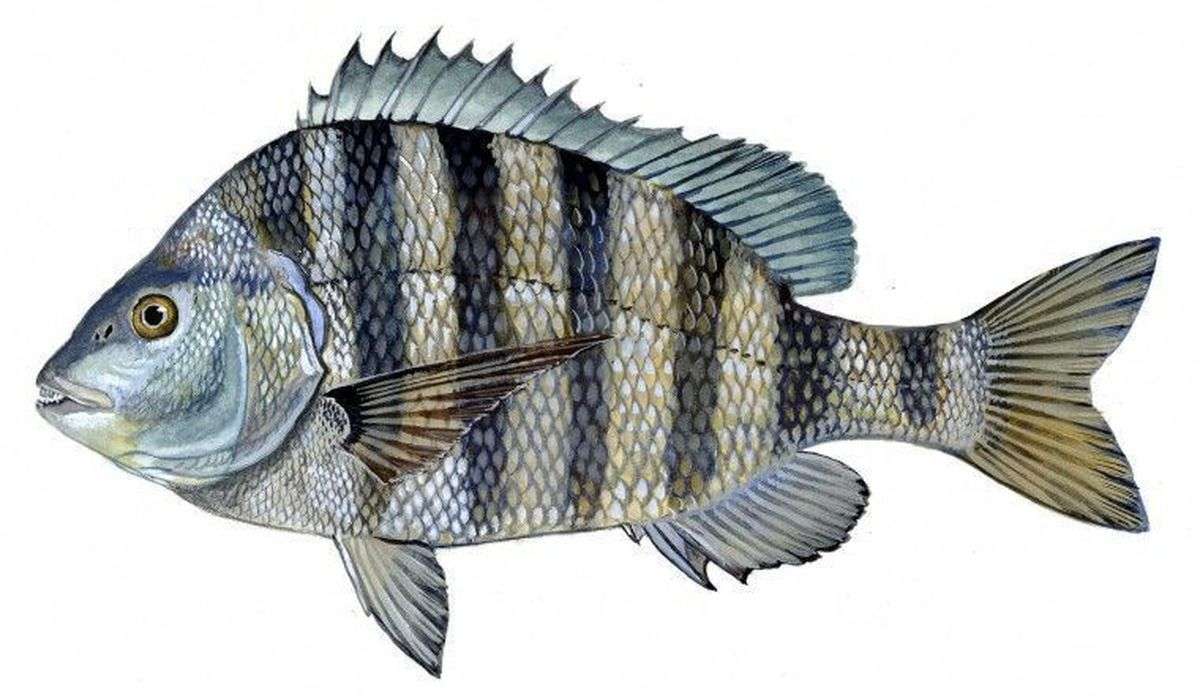
 Sheepshead
 Southern Flounder
- Got a big group that wants to fish together? Captain Joe runs multi-boat charters through Matagorda Bay that can handle up to 9 people across three boats. He teams up with trusted local guides to make sure everyone gets quality time on the water targeting redfish and speckled trout. The setup works great for corporate groups, family reunions, or fishing buddies who don't want to split up. Joe customizes each trip based on what your group wants
- whether that's serious fishing in the shallows or exploring the backcountry waters near the Gulf. Half-day format keeps it manageable while still giving you solid fishing time in one of Texas' most productive bay systems.
Trip Pricing and Availabilities:
Big Group Matagorda Bay Fishing Adventure
Planning a fishing trip for nine people can feel like herding cats, but that's where we come in. Captain Joe and his handpicked crew of trusted guides know Matagorda Bay like the back of their hands, and they're ready to make your large group charter something special. Whether you're organizing a corporate retreat, family reunion, or just want to get all your fishing buddies together, this three-boat setup gives everyone room to spread out while staying connected. You'll hit the prime redfish flats, work the deeper trout holes, and maybe even venture into those backcountry Gulf waters where the real magic happens.
What to Expect on the Water
This isn't your typical cookie-cutter charter. Joe personally selects which guides join your crew based on what your group wants to accomplish and the conditions that day. Some folks want to chase redfish in knee-deep grass flats, while others prefer working deeper structure for trout and drum. With three boats, you can split up and cover more water, or stay close together and share the excitement when someone hooks up. The beauty of Matagorda Bay is its diversity – shallow backwater sloughs, oyster reefs, ship channels, and open bay areas all within easy reach. Your guides will read the wind, tide, and fish movement to put you on the best bite possible. Don't worry about bringing anything except your fishing license and enthusiasm; all tackle, bait, and equipment are provided.
Techniques & Prime Fishing Spots
Matagorda Bay fishing is all about matching your approach to the conditions and target species. Your guides will likely start with live shrimp under popping corks over grass beds and oyster reefs – this setup is deadly for speckled trout and redfish. When the fish are aggressive, you might switch to topwater plugs or soft plastics for more exciting strikes. The bay's structure varies from shallow flats where you can sight-cast to tailing reds, to deeper channels holding black drum and sheepshead around submerged rocks and pilings. Depending on the season and weather, you might work the ICW dropoffs, fish the back lakes, or even slip out to the surf for different action. Each guide carries an arsenal of techniques, from drift fishing with live bait to working artificial lures along shoreline structure. The three-boat setup means you can try different approaches simultaneously and communicate what's working best.
Species You'll Want to Hook
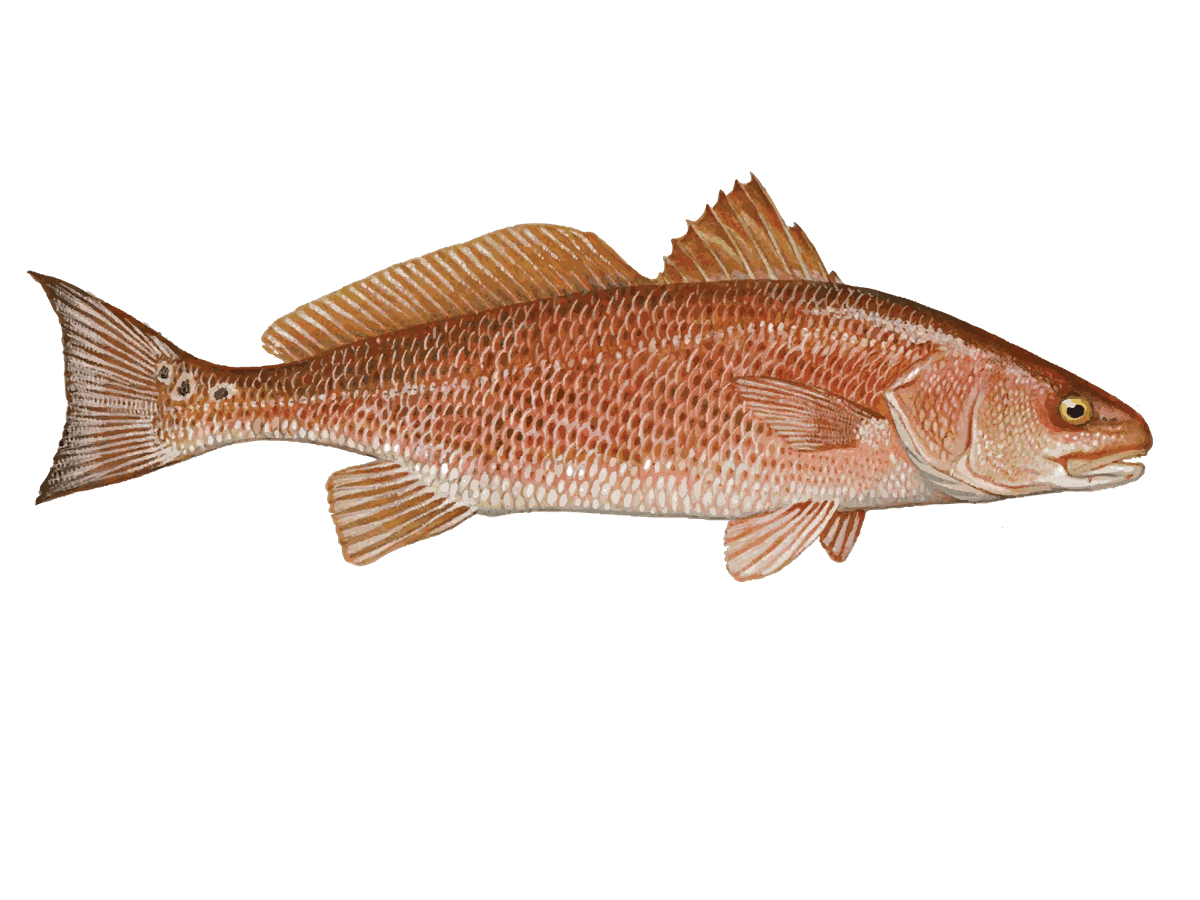
Redfish are the crown jewel of Matagorda Bay and for good reason. These copper-colored bruisers average 20-28 inches here, with plenty of slot fish and some real bulls mixed in. They're most active during moving tides and can be found year-round, though fall and winter offer some of the most consistent action. What makes reds special is their fight – they'll make long, powerful runs and use their broad sides to pull drag. You'll find them tailing in shallow grass beds, cruising oyster bars, and ambushing bait along dropoffs.
Sea trout, or speckled trout as locals call them, are the most abundant gamefish in the bay system. These spotted beauties range from school-sized 14-inchers to hefty 4-pound sow trout that'll test your drag. Spring and fall are prime time, but you can catch specks year-round by adjusting your depth and presentation. They're structure-oriented fish that love grass beds, shell reefs, and channel edges. The beauty of trout fishing is the numbers – when you find a good school, everyone in the boat can get in on the action.
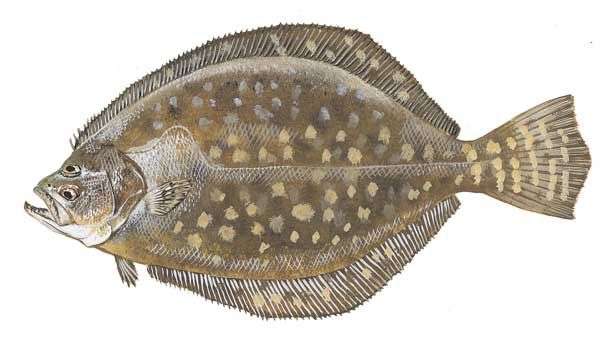
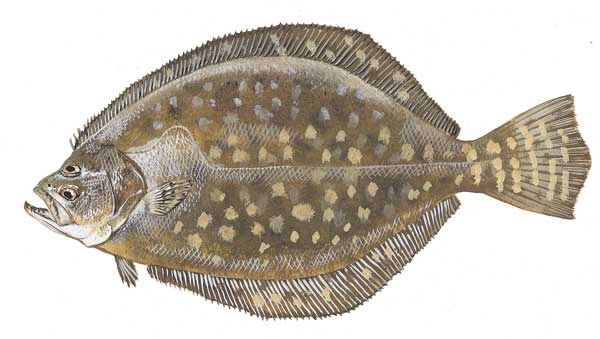
Southern flounder might not win any beauty contests, but they're fantastic table fare and provide a different kind of challenge. These flatfish are ambush predators that bury themselves in sand and mud, waiting for unsuspecting prey. Fall is flounder season in Matagorda Bay, when they're fattening up before their offshore spawning run. They typically run 16-20 inches, with doormat-sized fish pushing 24 inches or better. Flounder fishing requires patience and the right presentation – slow-moving baits worked along the bottom.
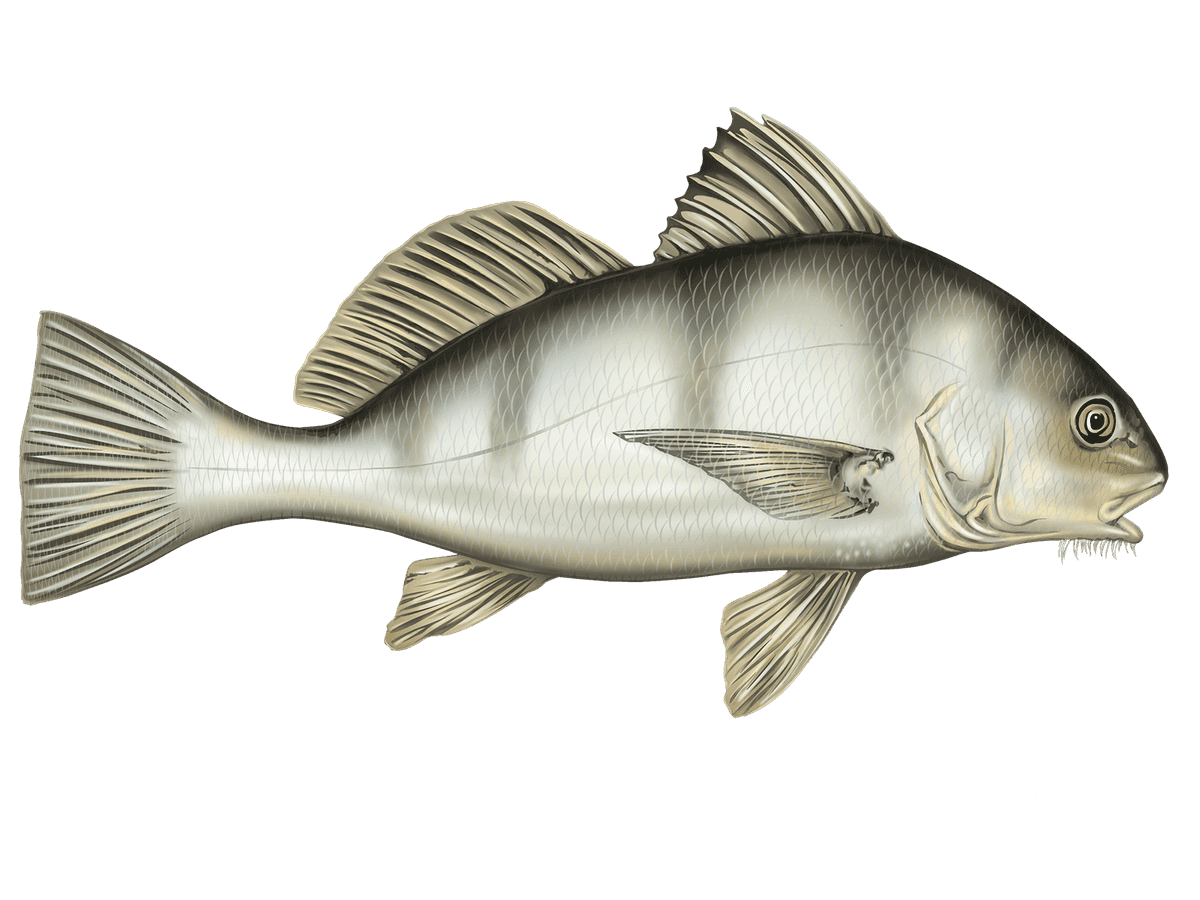
Black drum are the heavyweights of the bay, with fish ranging from puppy drum around 16 inches to massive bulls exceeding 30 pounds. They're primarily bottom feeders with a taste for crabs and shrimp, so you'll typically fish for them with cut bait or live shrimp near structure. Winter months are excellent for big drum, and their powerful fight makes them a favorite among anglers who like their arms tested. The bigger fish are catch-and-release, but smaller drum make excellent eating.
Sheepshead are the bay's master thieves, famous for stealing bait with their human-like teeth. These black-and-white striped fish hang around hard structure like docks, pilings, and rock piles where they feed on barnacles, crabs, and small shellfish. They're most active in cooler months and require precise presentations with small hooks and light line. Landing a quality sheepshead is a real accomplishment – they're smart, spooky, and can bite through line if you're not careful.
Time to Book Your Spot
Large group charters fill up fast, especially during peak season, so don't wait until the last minute to secure your dates. This top-rated three-boat setup accommodates up to nine anglers comfortably, giving everyone space to fish without feeling crowded. Captain Joe's network of professional guides ensures you're getting experienced, licensed captains who know how to put fish in the boat and keep your group safe on the water. The flexible approach means your trip gets customized to your group's skill level and interests – whether that's non-stop action for beginners or challenging techniques for seasoned anglers. Remember, weekday trips from Monday through Thursday require advance scheduling, so reach out early to discuss your preferred dates. Book now and get ready for a world-class Matagorda Bay fishing experience that'll have your whole crew
Learn more about the species
Black Drum
Black Drum are the heavyweights of Matagorda Bay, running anywhere from 5-30 pounds with some bruisers hitting 50+ pounds. These guys love oyster beds, muddy flats, and structure where they can crush shellfish with those powerful jaws. Spring is when they really shine - they school up for spawning and make that distinctive drumming sound you can actually hear underwater. What guests love most is the pure pulling power - these fish will test your drag and your patience. The smaller ones under 15 pounds make excellent table fare with firm, white meat. The big bulls are better as photo ops since the meat gets tough. Here's my local trick: use fresh blue crab or shrimp on a Carolina rig, and fish it right on the bottom near those oyster reefs. When they pick it up, let them run with it before setting the hook.
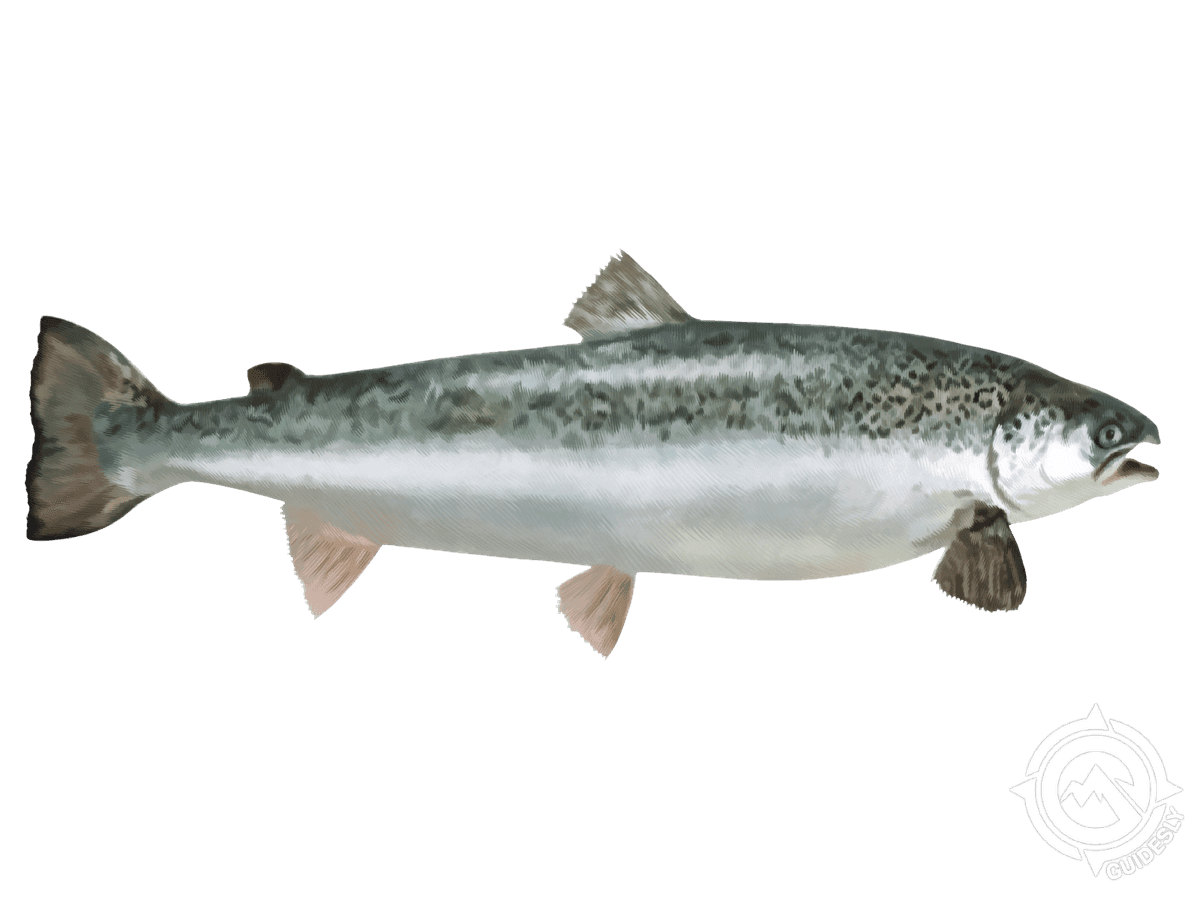
Redfish
Redfish are the crown jewel of our Matagorda Bay trips, with those signature copper-bronze sides and distinctive black spots near the tail. We typically see them 18-30 inches, though some bull reds can push 40+ inches and really test your gear. They love super shallow water - sometimes so shallow their backs stick out - around grass flats, oyster reefs, and muddy shorelines. Year-round fishing is good, but fall is prime time when they school up. What guests love most is watching them cruise the shallows like submarines and that explosive strike when they take your lure. They fight hard, using their broad sides against you, and the smaller ones are fantastic eating. My best tip: look for nervous water and tail-slapping on calm mornings. When you spot them, cast well ahead and work your lure slowly past their nose - patience beats aggressive retrieves every time.
Sea Trout
Speckled Trout are the bread and butter of our Matagorda Bay trips, running 14-20 inches with some real gators pushing 25+ inches. They love grass flats in 2-4 feet of water, especially around drop-offs and structure where they can ambush shrimp and small fish. Early morning and late evening are magic times, and they bite year-round, though spring and fall are best. What makes them special is they're willing biters that fight well for their size and make excellent eating - tender, flaky white meat with a mild flavor. They're perfect for beginners but challenging enough to keep seasoned anglers interested. Here's my go-to tip: work topwater lures over grass flats at first light, making subtle pops and pauses. When you see that explosive strike on the surface, wait a beat before setting the hook - they'll come back for it.
Sheepshead
Sheepshead are the "convict fish" of Matagorda Bay with their black and white stripes, and they're notorious for those human-like teeth that can crush barnacles and crabs. Most run 1-3 pounds and 14-18 inches, but we see some real slabs pushing 8-10 pounds around the jetties and pier pilings. They stick tight to structure - docks, bridges, any barnacle-covered surface where they feed. Spring is prime time when they're most active and aggressive. Guests love the challenge because these fish are picky eaters and master bait thieves, but when you hook one, they fight with surprising strength for their size. Plus, they're outstanding on the table - sweet, flaky white meat that's hard to beat. My best advice: use small hooks with fresh shrimp or fiddler crab, get as close to structure as possible, and set the hook hard the moment you feel them nibbling.
Southern Flounder
Southern Flounder are one of those fish that'll surprise you - they're masters of disguise, burying themselves in sandy and muddy bottoms with both eyes on one side of their head. Most run 15-18 inches, but we get some nice ones pushing 25+ inches in Matagorda Bay. They love shallow coastal waters, especially around grass flats and drop-offs. Fall and early winter are prime time when they're moving toward deeper water to spawn. What makes them special? They hit hard, fight smart using that flat body against the current, and they're absolutely delicious - sweet, flaky white meat that's tough to beat. My go-to tip: when you feel that subtle tap-tap, count to three before setting the hook. They like to mouth the bait first, and patience pays off with these sneaky bottom dwellers.