%2Ffit-in%2F250x250%2Fguide_websites%2F571%2Fimages%2Fscreenshot2024-01-31at3.31.36pm.png&w=1200&q=100)
/users/5d729193-6522-4462-943a-d502a7ead174/ratecard/75083192_1462653193911257_3485705533703323648_n1.jpg)
%2F300x300%2Fusers%2F5d729193-6522-4462-943a-d502a7ead174%2Fratecard%2F75083192_1462653193911257_3485705533703323648_n1.jpg&w=256&q=75)
%2F300x300%2Fusers%2F5d729193-6522-4462-943a-d502a7ead174%2Fimages%2Fredfish-speckled-trout-three-rivers-8799.png&w=256&q=75)
%2F300x300%2Fusers%2F5d729193-6522-4462-943a-d502a7ead174%2Fimages%2Fredfish-cleaning-station-three-rivers-5461.png&w=256&q=75)
%2F300x300%2Fusers%2F5d729193-6522-4462-943a-d502a7ead174%2Fimages%2Fspeckled-trout-redfish-three-rivers-8718.png&w=256&q=75)
%2F300x300%2Fusers%2F5d729193-6522-4462-943a-d502a7ead174%2Fimages%2Fboat-fishing-three-rivers-texas-3566.png&w=256&q=75)
%2F300x300%2Fusers%2F5d729193-6522-4462-943a-d502a7ead174%2Fimages%2Fredfish-catch-three-rivers-texas-5691.png&w=256&q=75)
%2F300x300%2Fusers%2F5d729193-6522-4462-943a-d502a7ead174%2Fimages%2Fthree-rivers-redfish-cooler-catch-12639.png&w=256&q=75)
%2F300x300%2Fusers%2F5d729193-6522-4462-943a-d502a7ead174%2Fimages%2Fspeckled-trout-three-rivers-texas-5215.png&w=256&q=75)
%2F300x300%2Fusers%2F5d729193-6522-4462-943a-d502a7ead174%2Fimages%2Fredfish-catch-three-rivers-texas-9382.png&w=256&q=75)
%2F300x300%2Fusers%2F5d729193-6522-4462-943a-d502a7ead174%2Fimages%2Fmatagorda-speckled-trout-cooler-catch-6917.png&w=256&q=75)
%2F300x300%2Fusers%2F5d729193-6522-4462-943a-d502a7ead174%2Fimages%2Fmatagorda-texas-fishing-waters-3393.png&w=256&q=75)
Matagorda Bay Inshore Navigation Adventure
 Matagorda
What you will be catching:
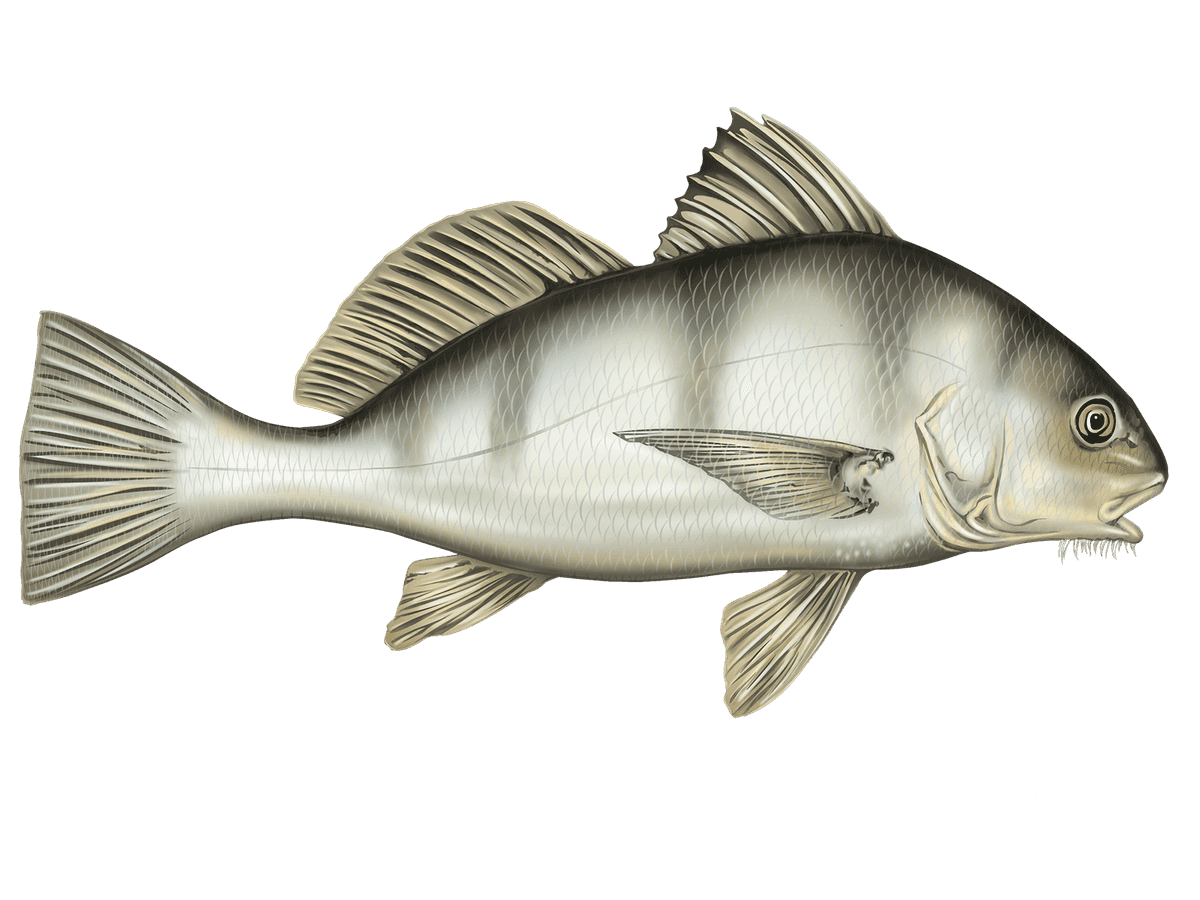
 Black Drum
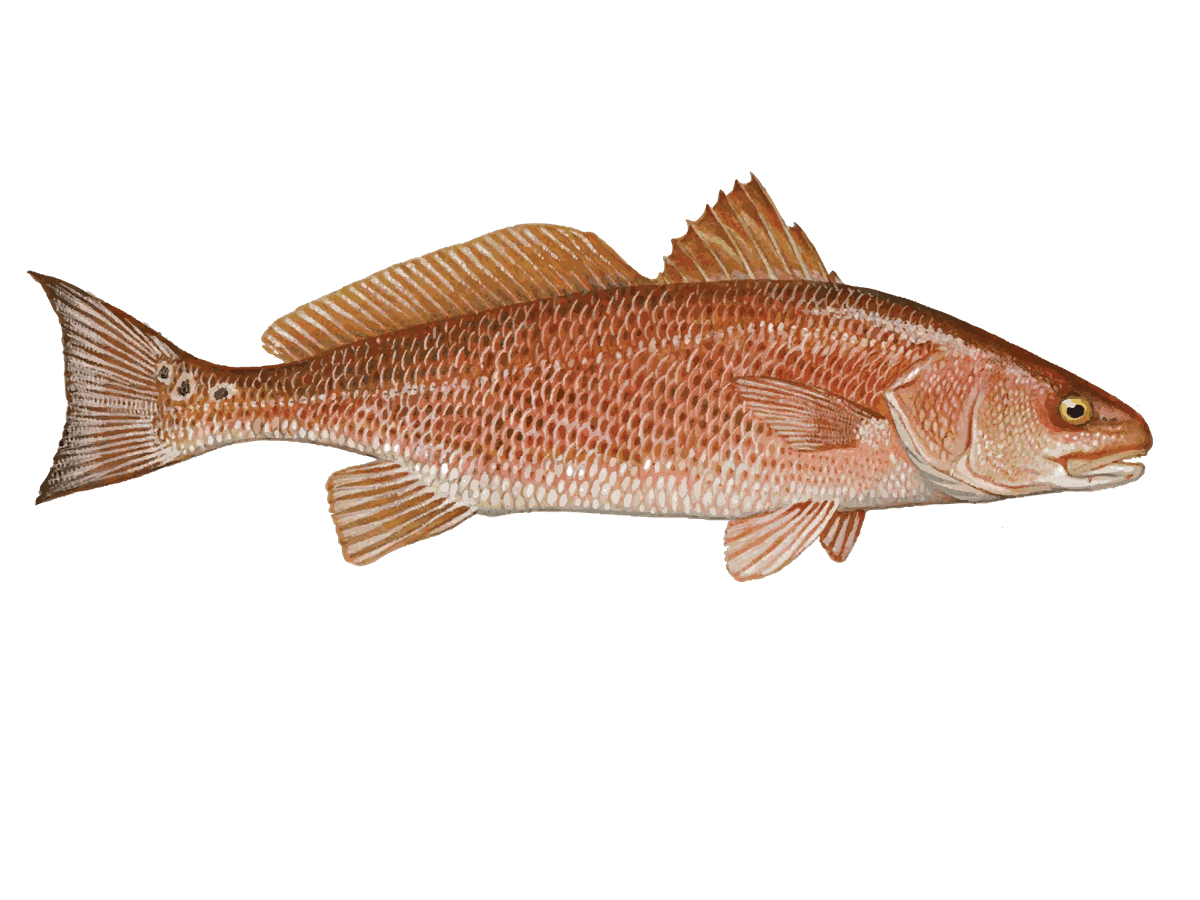
 Redfish
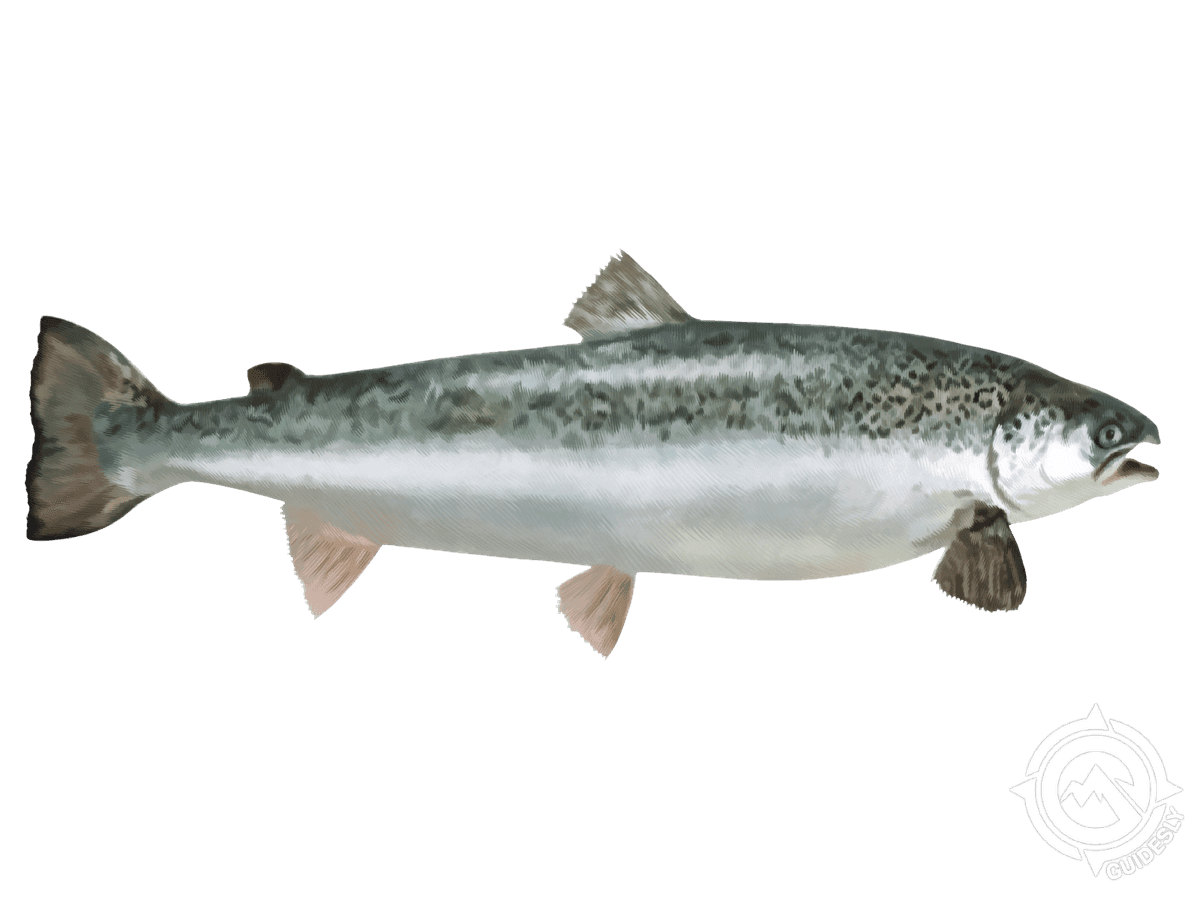
 Sea Trout
 Sheepshead
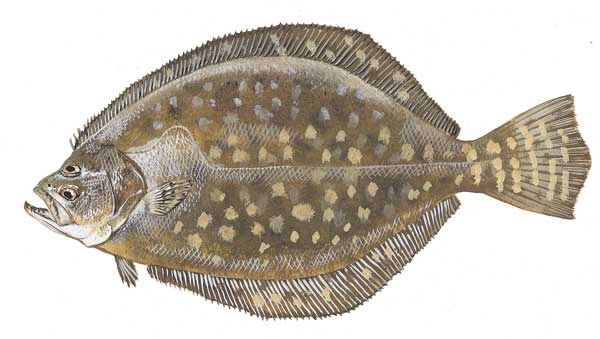 Southern Flounder
- This 4-hour guided trip in Matagorda Bay is perfect for anglers who want to learn the ropes while targeting sea trout and sheepshead. You'll get hands-on navigation training, learning the do's and don'ts of these waters while using your own boat and gear. Whether you're new to the area or just want to fish smarter, this personalized experience covers the best spots and techniques for consistent success. Available for day or night fishing, with weekday appointments Monday through Thursday. Great for beginners or anyone looking to dial in their local knowledge without the pressure of a traditional charter.
Trip Pricing and Availabilities:
Navigate Matagorda Bay Like a Local Pro
Looking to get comfortable in one of Texas's best fishing spots? This 4-hour trip with Bay Finatic puts you right where you need to be – learning the ins and outs of Matagorda Bay from someone who knows these waters inside and out. Whether you're new to the area or just want to sharpen your navigation skills, this top-rated experience gives you the confidence to fish these productive waters on your own. Perfect for weekday warriors who can slip away Monday through Thursday – just give us a call to set it up.
What to Expect on the Water
This isn't your typical guided fishing trip where you sit back and let someone else do the work. You're getting hands-on training that'll pay off for years to come. We'll cover the crucial stuff – which channels to run, where the shallow spots hide, and how to read the water like the locals do. You'll learn to spot structure that holds fish, understand how tides move bait through the system, and get the inside scoop on seasonal patterns that separate weekend warriors from serious anglers. The single guest capacity means you get personalized attention without distractions. Plus, if you want to mix in some night fishing under those Texas stars, we can make that happen too. There's something special about working a topwater plug when the sun goes down and the big trout start feeding.
Navigation Basics & Bay Layout
Matagorda Bay can be tricky if you don't know the layout. We'll start with the fundamentals – reading your electronics, understanding how wind and tide affect water levels, and recognizing the difference between productive structure and dead water. You'll learn to use your own boat and equipment effectively, which means everything translates directly when you're out solo. The bay has some notorious shallow areas that can ruin your day fast, so we'll show you the safe routes and backup plans when conditions change. GPS waypoints are great, but nothing beats understanding why fish set up in certain spots during different seasons. By the end of this trip, you'll have a mental map of the bay that goes way deeper than just coordinates.
Top Catches This Season
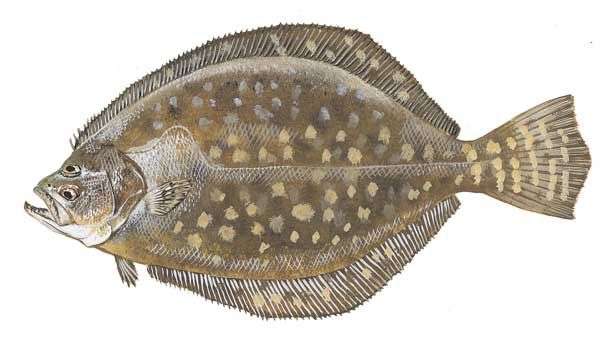
Southern Flounder are the bay's hidden gems, especially during their fall migration when they're fattening up before heading to deeper water. These flatfish love sandy bottoms near structure, and once you learn to feel that subtle tick when they inhale your bait, you'll be hooked. They're excellent table fare and put up a surprising fight for a fish that spends most of its time on the bottom. Look for them around channel edges and drop-offs from September through November.
Black Drum might not be the prettiest fish in the bay, but they're bulldogs that'll test your drag system. The smaller ones – we call them puppy drum – are fantastic eating, while the big bulls give you bragging rights. They cruise the shallows looking for crabs and shellfish, making that distinctive drumming sound with their swim bladders. Spring and fall are prime time, especially around oyster reefs and shell pads where their favorite food lives.
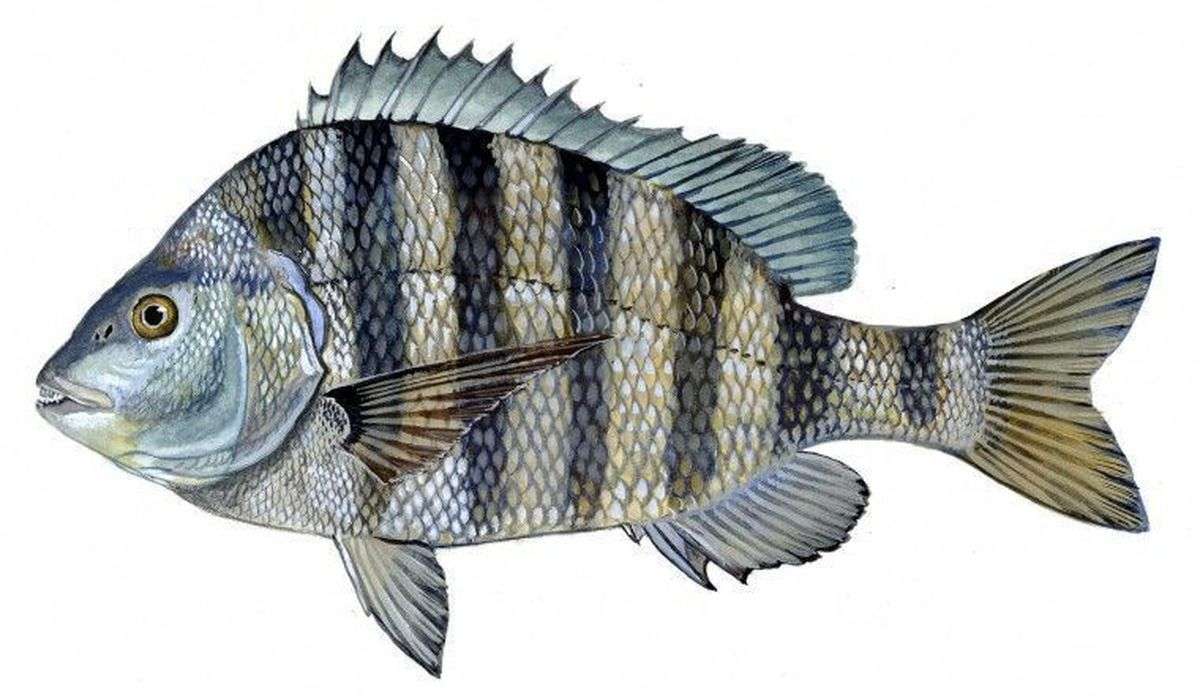
Sheepshead are the bay's master thieves, famous for stealing bait with surgical precision. These black-and-white striped convicts hang around any hard structure they can find – piers, jetties, shell reefs, you name it. They've got human-like teeth designed for crushing shells, so don't stick your fingers where they don't belong. Winter months bring the best sheepshead action when they school up for spawning. Once you figure out their feeding pattern, they're incredibly rewarding to target.
Sea Trout are what most folks come here for, and Matagorda Bay grows some beauties. The slot-sized fish are cooperative and delicious, while the big gator trout – those 25-inch-plus females – are the stuff of legends. They suspend over grass flats and around structure, feeding on shrimp and small baitfish. Summer mornings and fall evenings are prime time, especially when you can work topwater baits over shallow grass beds. Nothing beats the explosion when a big trout crushes a surface plug at dawn.
Redfish are the bay's most reliable performers, available year-round and always ready to eat. These copper-colored bruisers cruise the shallows looking for crabs, shrimp, and small fish. They're incredibly hardy and fight like freight trains, making long runs that'll burn your forearms. The slot fish are excellent eating, while the oversized bulls are catch-and-release trophies that can push 30-plus pounds. Look for them tailing in skinny water during warmer months, or work deeper structure when it's cold.
Time to Book Your Spot
This customer favorite fills up fast, especially since it's limited to weekday appointments. The knowledge you'll gain in these 4 hours will make every future trip to Matagorda Bay more productive and confident. You're not just learning to fish – you're learning to think like the fish and read the water like a local. Bay Finatic's world-class instruction means you'll leave with skills that take most people years to develop on their own. Ready to stop guessing and start knowing where to go? Give us a call and let's get you set up for success on Matagorda Bay.
Learn more about the species
Black Drum
Black drum are the heavyweights of Matagorda Bay, typically running 5-30 pounds but capable of hitting 50+ pounds. These dark, powerful fish love crushing oysters and crabs with their pharyngeal teeth, making that distinctive drumming sound you can actually hear underwater. Spring is your best bet when they school up in shallow muddy flats and around oyster reefs for spawning. They're tough fighters that'll test your drag system, but keep the smaller ones under 15 pounds for the table - they're excellent eating with firm, white meat. Bigger fish get tough and stringy. My go-to technique is bottom fishing with fresh blue crab on a carolina rig around oyster beds. The key is using circle hooks and letting them run with it before setting - their bony mouths are tough to penetrate.
Redfish
Redfish are the crown jewel of our bay fishing - copper-colored beauties with those signature black spots near the tail. They run anywhere from slot-size 20-28 inches up to bull reds over 40 pounds. These fish love super shallow water, often with their backs showing, cruising grass flats and oyster reefs hunting crabs and shrimp. Year-round fishing with spring and fall being peak times. What guests love most is sight-casting to them in skinny water - it's like hunting with a rod. They're strong fighters and smaller ones make great eating with mild, sweet meat. My top tip is using topwater plugs early morning over shallow flats. When you see that red flash following your lure, don't speed up - slow down and let them commit to the strike.
Sea Trout
Speckled trout are the bread and butter of Matagorda Bay - beautiful silvery fish with black spots that typically run 14-20 inches and 1-3 pounds. They love grass flats, oyster reefs, and drop-offs where they ambush shrimp and small baitfish. Spring and fall are peak seasons, but summer nights under lights can be magic. They're aggressive fighters for their size and make excellent table fare with tender, flaky white meat that's perfect for any recipe. What I tell guests is to focus on areas where clean water meets structure. My favorite technique is working soft plastics like paddle tails on 1/4 oz jigheads along grass edges during moving water. The key is a slow, steady retrieve - let the tide do most of the work and keep your bait just off the bottom.
Sheepshead
Sheepshead are the convict fish of the bay with their distinctive black and white stripes, but don't let their looks fool you - they're some of the smartest fish around pilings and structure. Most run 1-5 pounds and 14-18 inches, though we occasionally see 8+ pounders around the jetties. They're notorious bait thieves with human-like teeth, perfect for crushing barnacles and small crabs. Spring through fall is prime time around any structure - docks, bridges, abandoned rigs. What guests love is the challenge and the reward - they're tricky to hook but absolutely delicious with sweet, flaky white meat. My secret is using small hooks with fresh fiddler crab, getting right up against the pilings. When you feel them pecking, don't wait - set that hook hard and fast or they'll steal your bait every time.
Southern Flounder
Southern flounder are masters of disguise - these flat, oval fish bury themselves in sand and mud bottoms, changing color to match their surroundings. Most run 15-18 inches and around 5 pounds, but we've seen some push 20+ pounds in deeper waters. They're both-eyes-on-the-left-side predators that ambush shrimp, crabs, and small fish. Fall and winter are prime time when they move through our bay channels heading to deeper water. What makes them special? They're one of the best eating fish you'll find - sweet, flaky white meat. My tip: when drift fishing the channels, use a carolina rig with live shrimp and let it bump bottom. Once you feel that tap-tap-tap, count to three before setting the hook - they like to mouth the bait first.
About the Haynie
%2F%2Fusers%2F5d729193-6522-4462-943a-d502a7ead174%2Fboat_picture%2Fjg1.jpeg&w=1200&q=75)
Vehicle Guest Capacity: 4
Manufacturer Name: Mercury
Maximum Cruising Speed: 45
Number of Engines: 1
Horsepower per Engine: 300